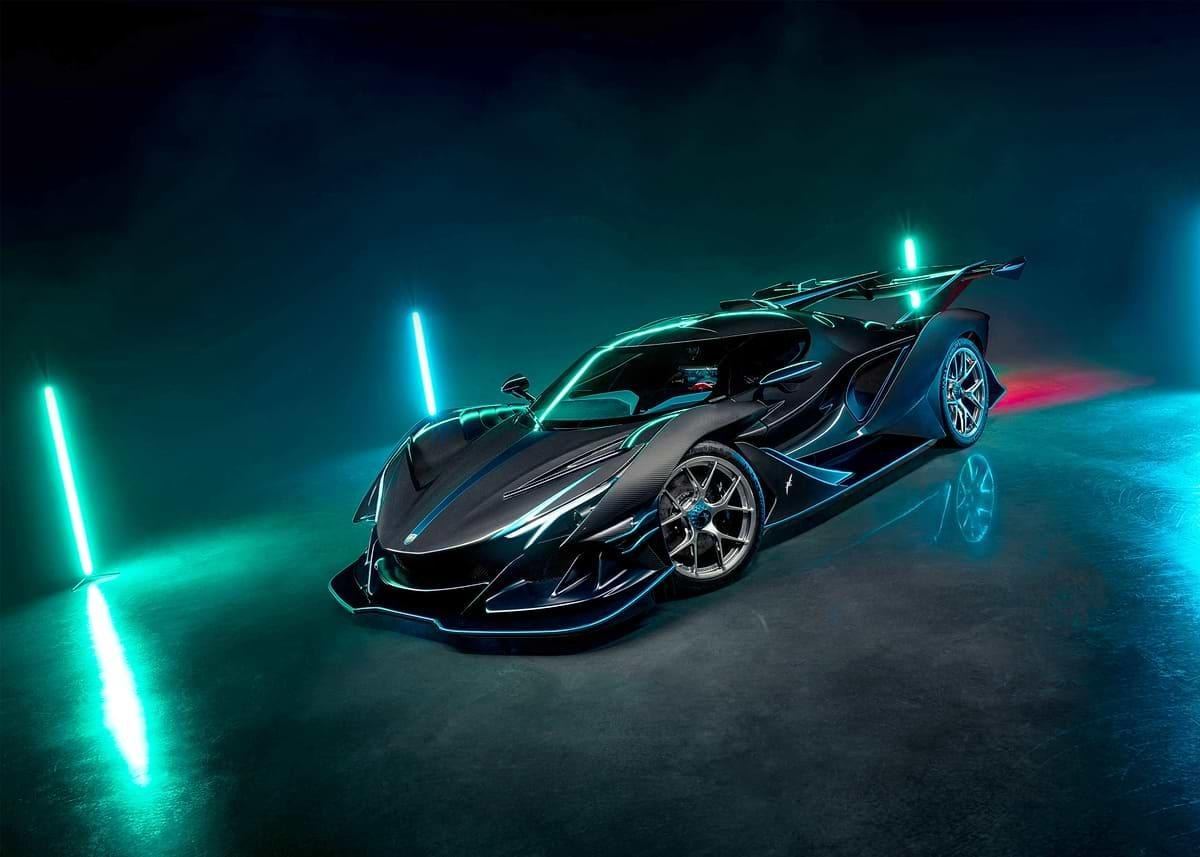
AXELION ZERO. A 1,340 hp hybrid hypercar shaped by airflow and finished by hand. Sixty-three will ever exist.
AXELION began with a single instruction to the design team: remove everything the wind does not ask for. What remained is ZERO — a body with no decorative line, only pressure, flow and tension.
- 01
Form follows flow
Every surface begins in the wind tunnel. We sculpt for pressure, not for decoration.
- 02
Weight is the enemy
Carbon monocoque, titanium fasteners, no panel without a job. 1,380 kg dry.
- 03
Precision is the luxury
Panel gaps held to 0.4 mm. Every chassis is signed by the technician who built it.
- Cd
- 0.29
- kg downforce
- 1,100
- % active surface
- 27
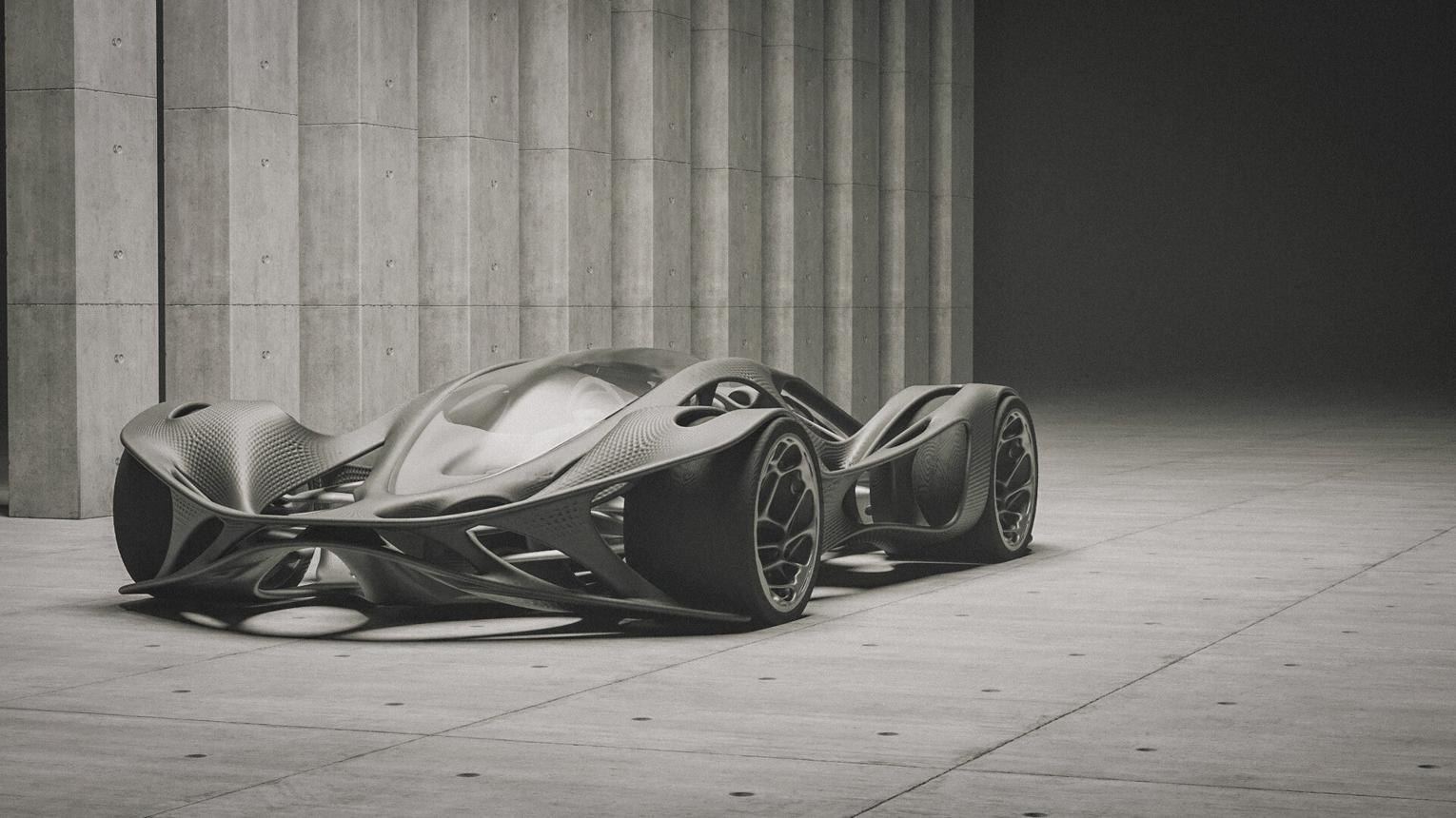
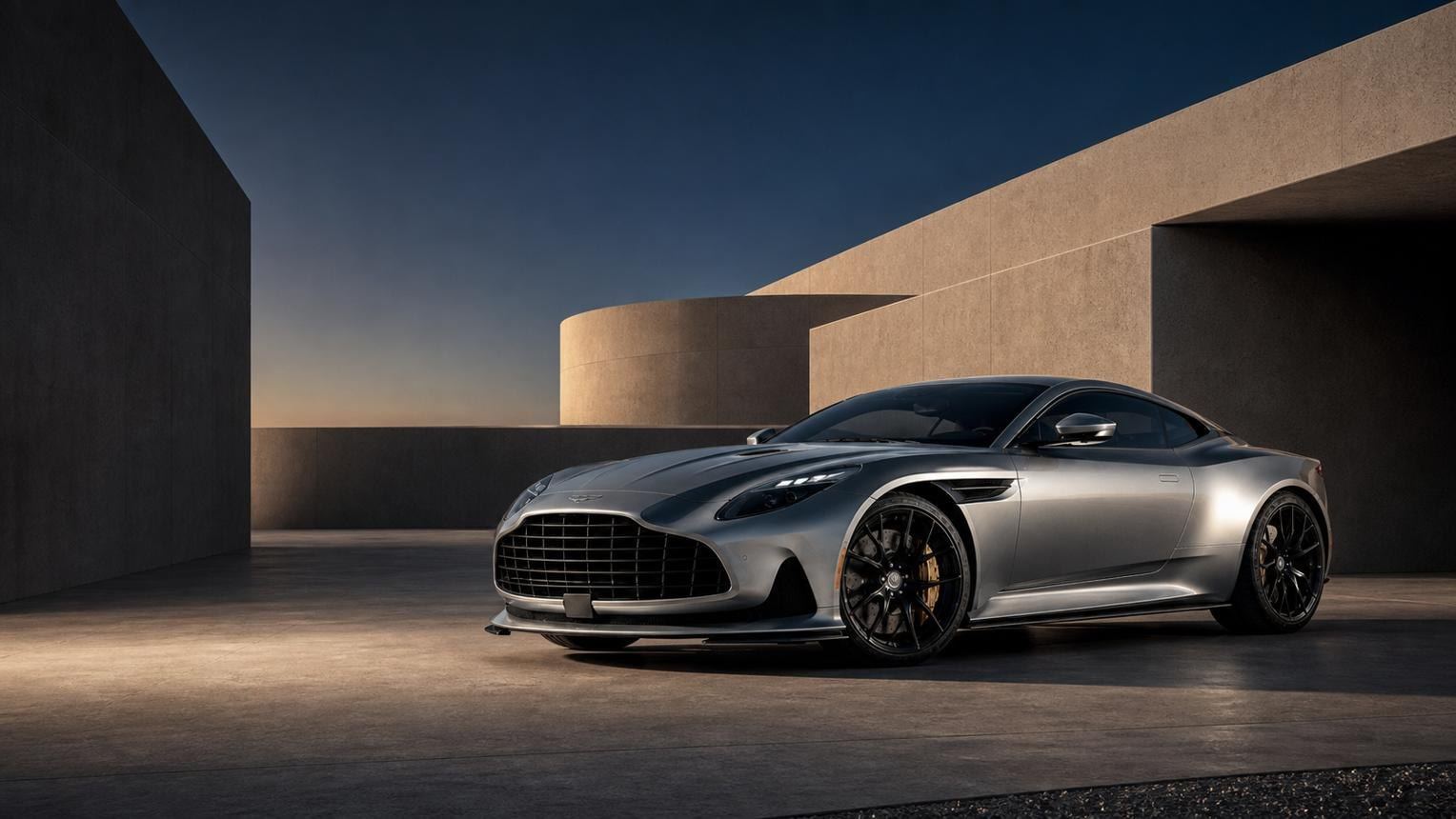
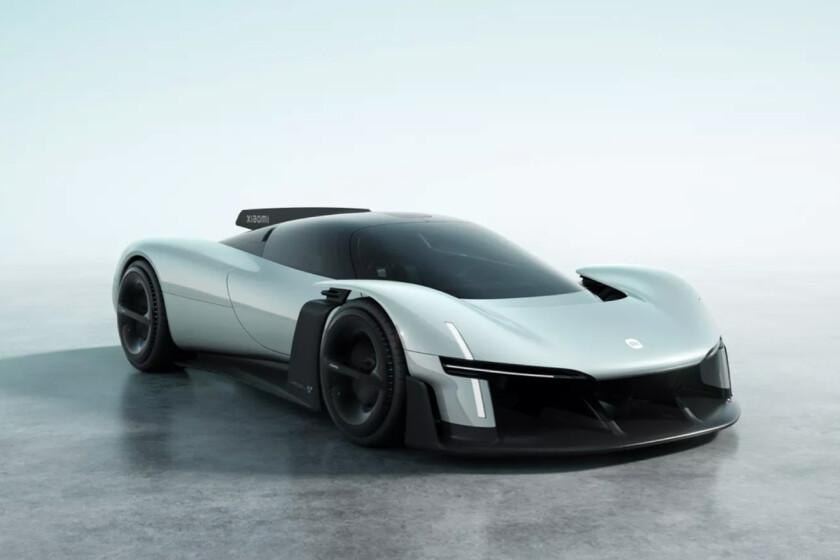
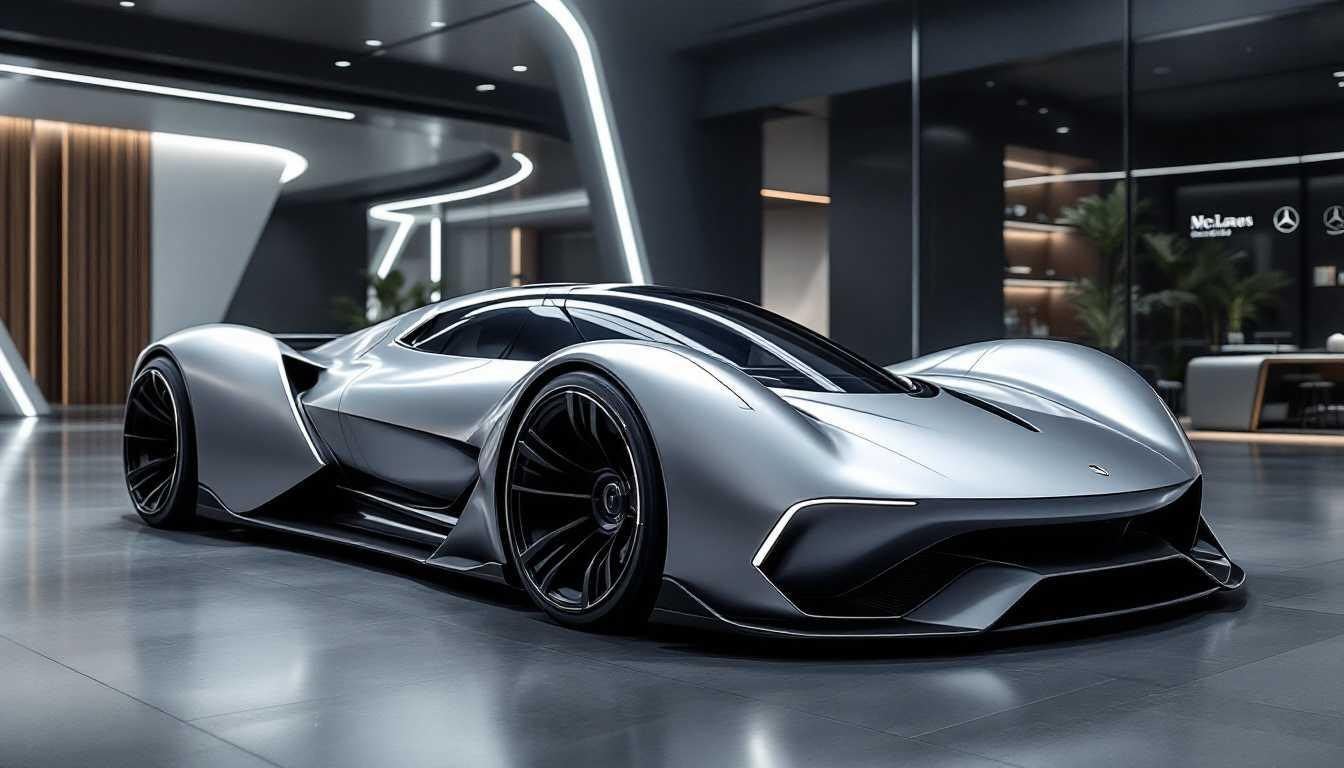
The flagship. A carbon monocoque wrapped in 63 hand-finished panels, powered by a 4.0 L twin-turbo V8 and three electric motors. It is the quickest, lightest and most intentional thing we have ever built.
- 1,340
- hp
- 2.3
- s · 0–100
- 402
- km/h
- 1,380
- kg dry
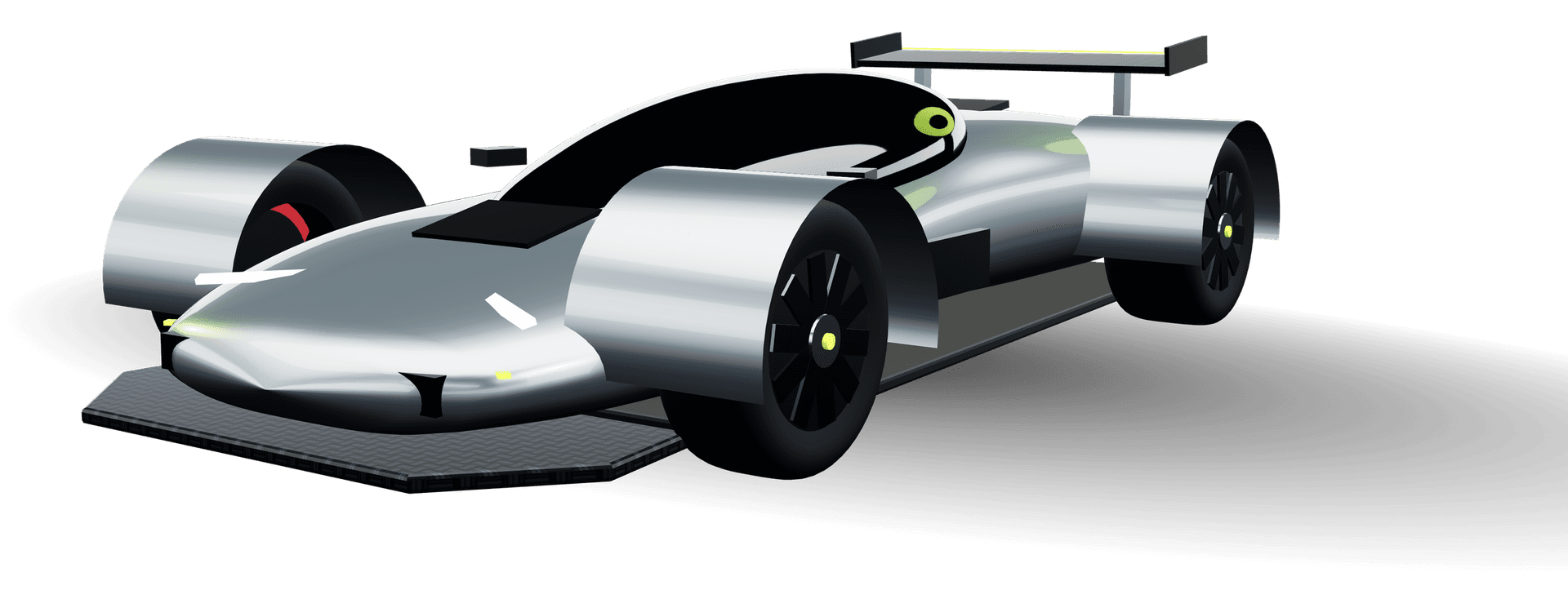
Exterior details
Scroll to rotate · Drag to orbit
Active front aero
Six independently driven surfaces redirect pressure around the front axle in 38 ms.
Carbon monocoque
A 62 kg autoclaved tub. Torsional rigidity of 62,000 Nm per degree.
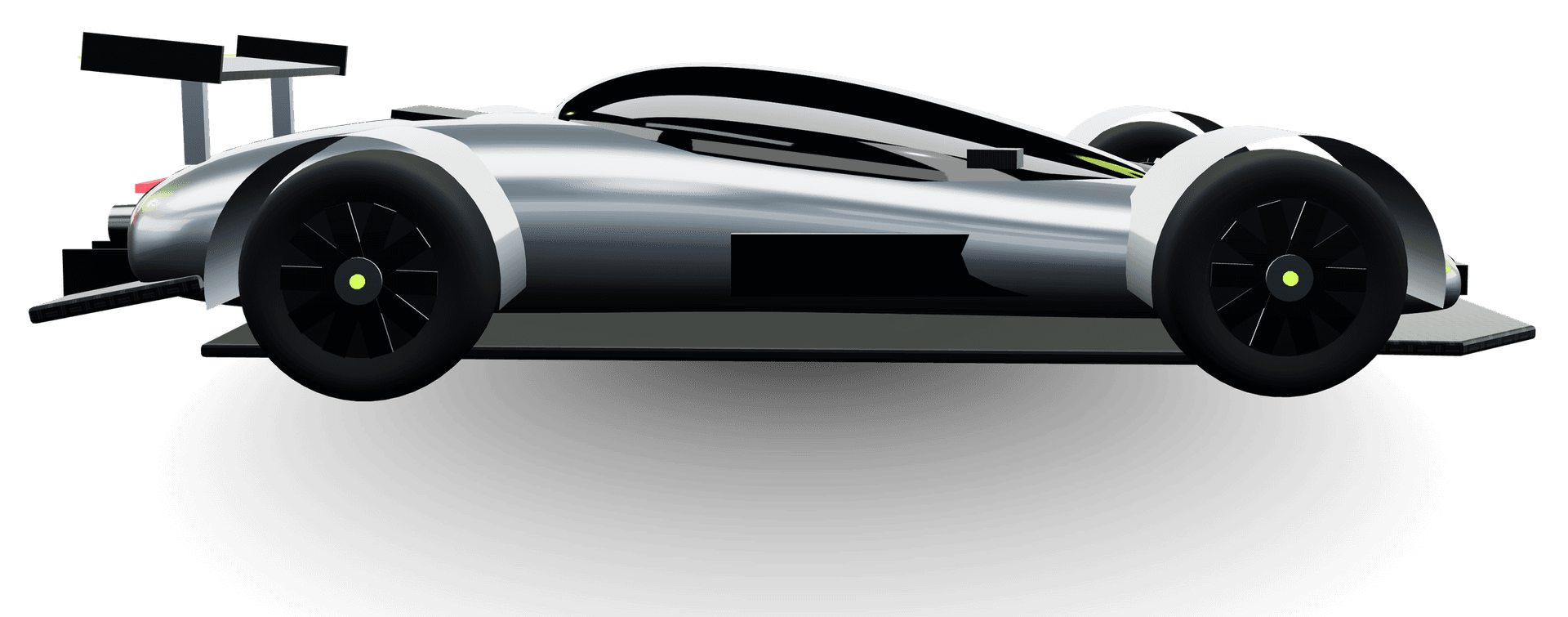
Forged centre-lock wheels
Magnesium billet, 21 in front and 22 in rear. 8.9 kg each, including the titanium lock-nut.
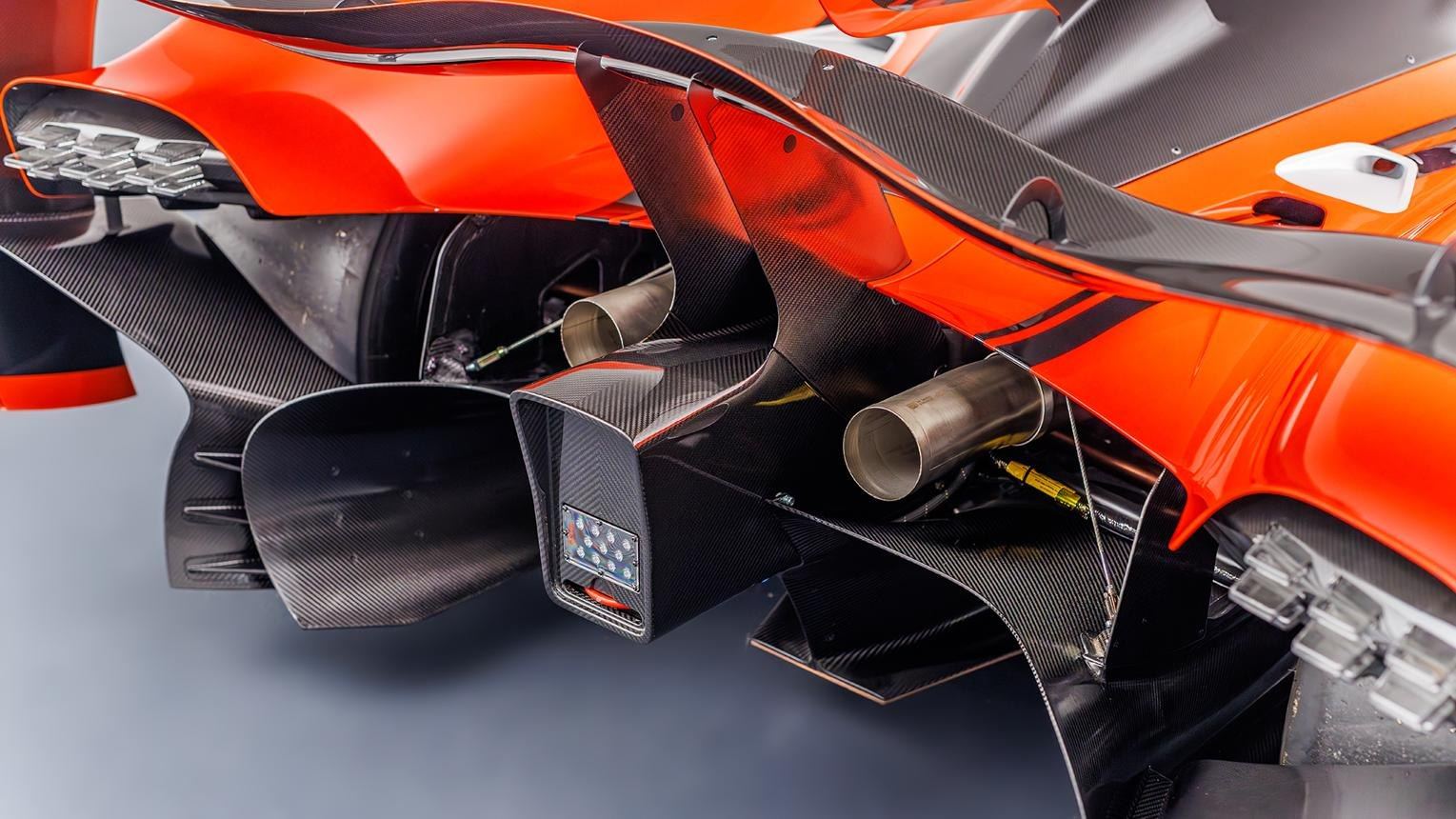
Rear diffuser & wing
A 38° expansion diffuser and a carbon wing that doubles as an air brake above 250 km/h.
Active front aero
Six independently driven surfaces redirect pressure around the front axle in 38 ms.
Six active surfaces, a sealed floor and a diffuser that breathes with the exhaust. The wind is not resisted — it is organised.
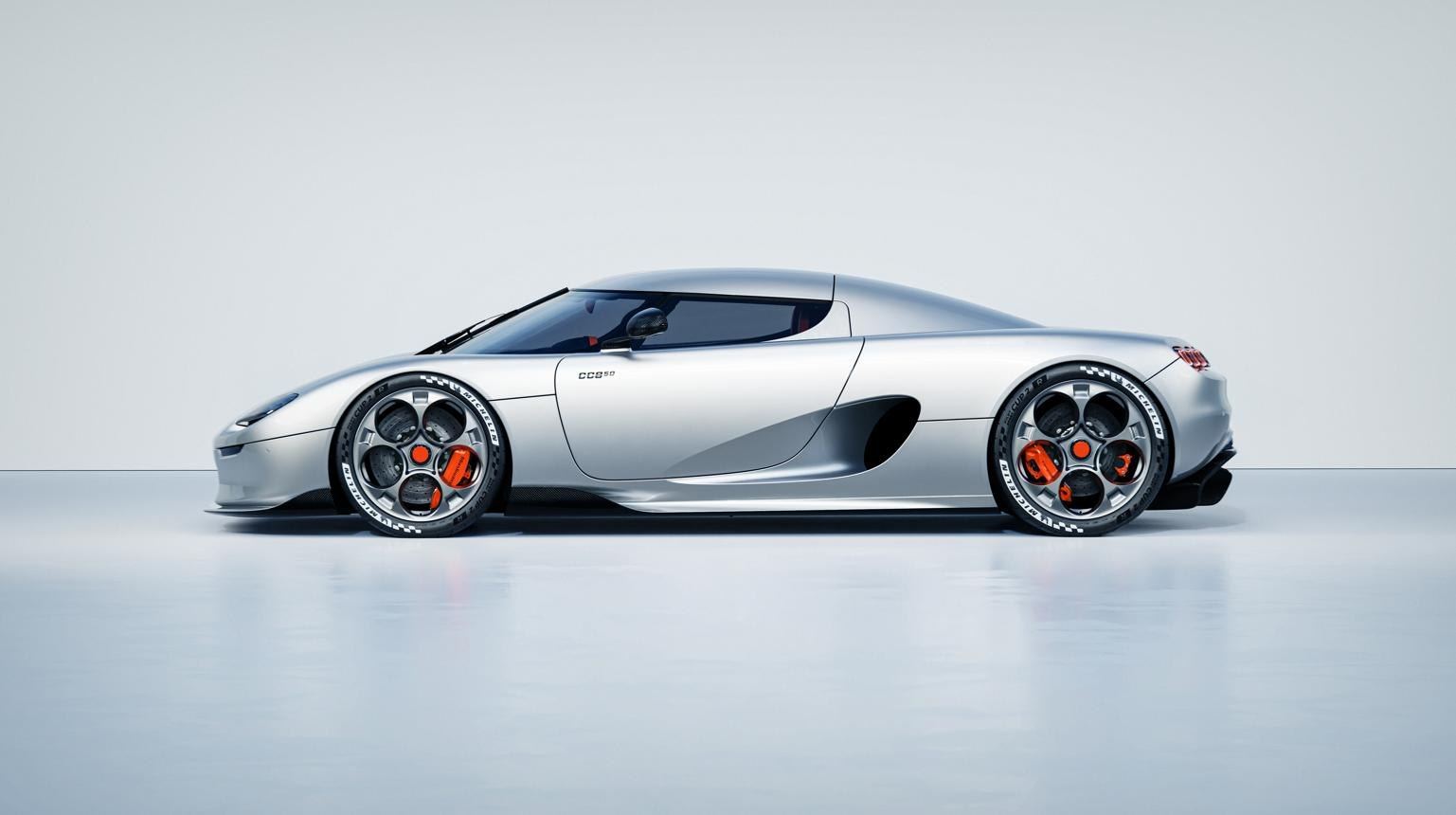
01Front splitter
Carbon, 1.92 m span
38%02Active aerodynamic surfaces
Six, independently driven
24%03Underbody & Venturi tunnels
Sealed, flat, twin-channel
41%04Rear diffuser & wing
Air-brake above 250 km/h
33%
Share of total downforce per element (combined > 100% reflects interacting systems).
- 11
- kg · complete rear wing
- 0.29
- Cd · Velocity trim
- 6
- active surfaces
- 38
- ms · deployment
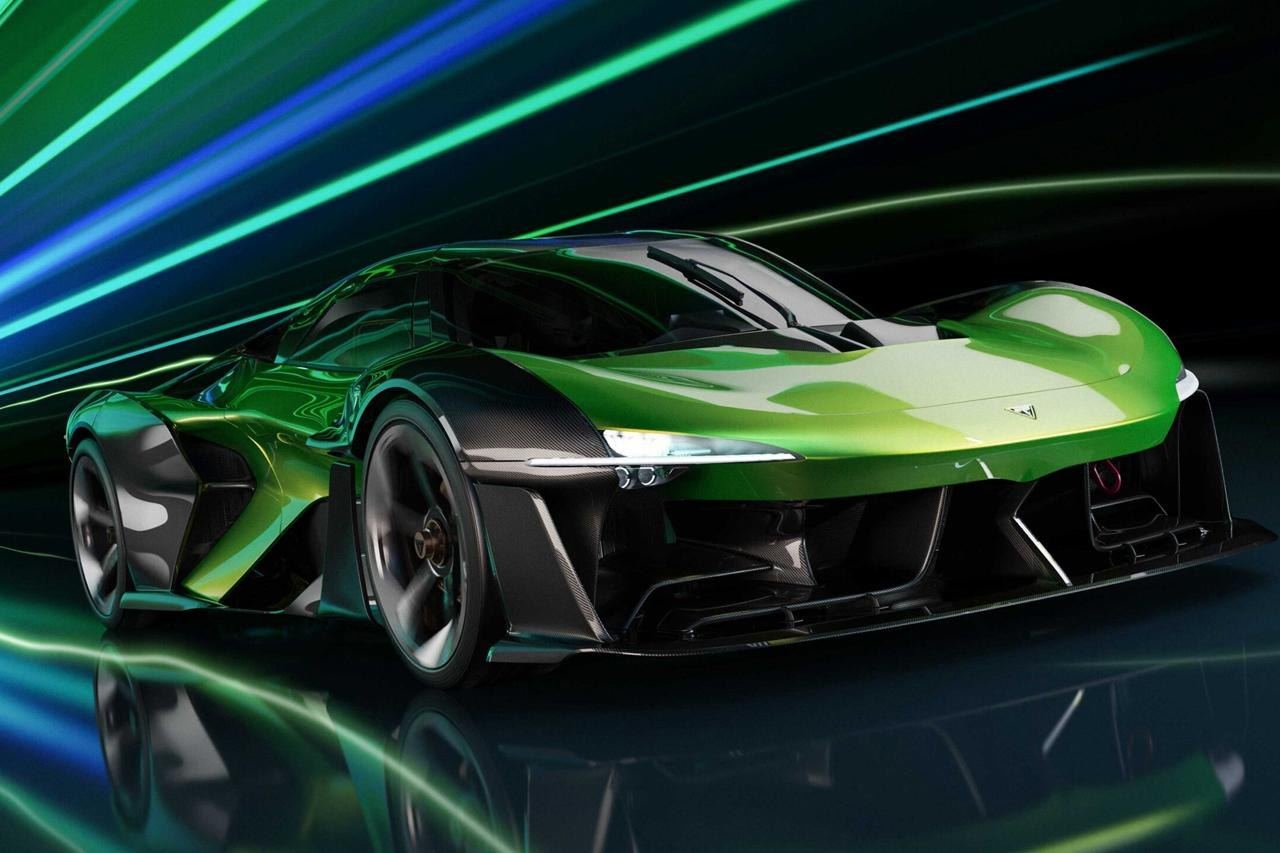
Low-drag trim. Full 1,000 kW combined output unlocked.
- Power
- 1,340hp
- Torque
- 1,250Nm
- 0–100 km/h
- 2.3s
- Top speed
- 402km/h
- Power-to-weight
- 971hp / tonne
- Downforce @ 300
- 620kg
- Engine architecture
- 4.0 L twin-turbo flat-plane V8, 90° · mid-mounted
- Electrification
- 3 axial-flux motors · 14.2 kWh · 800 V
- Transmission
- 8-speed dual-clutch · torque-vectoring e-axle
- Dry weight
- 1,380 kg · 43 / 57 distribution
- Brakes
- Carbon-ceramic 410 / 390 mm · 6-piston
- Redline
- 9,200 rpm
Nothing in this cabin is there to impress a passenger. Every control sits within a thumb’s reach of the yoke, every surface is carbon, leather or machined metal.
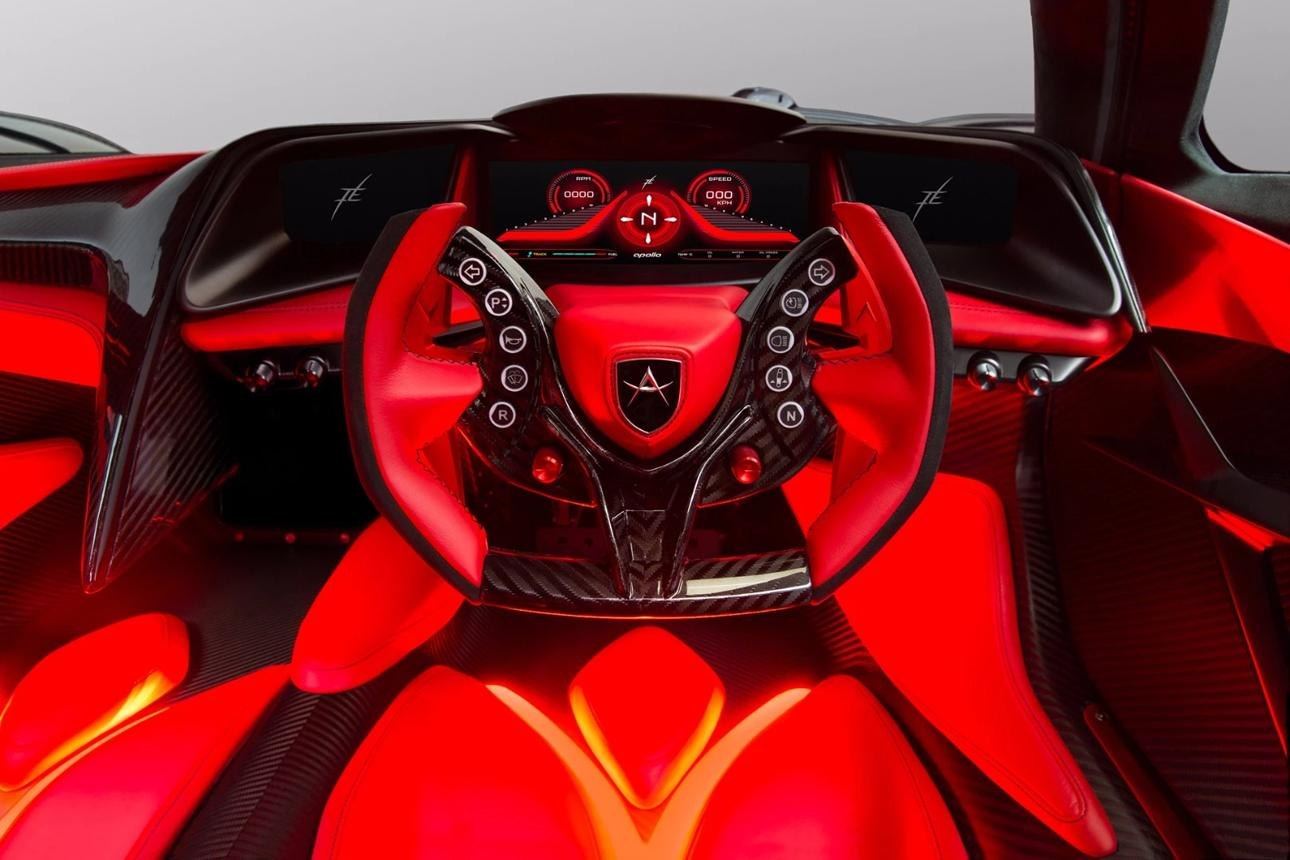
Select a marker or a feature to reveal its detail
Forged-carbon yoke with nine haptic controls and a 1.9-turn lock-to-lock rack. Heated, perforated leather at the grips.
1.9 turns
A 14.9-inch curved OLED cluster. Shift lights, brake bias and energy flow render in under a millisecond.
14.9 in OLED
Fixed-back carbon shells with quilted leather bolsters. 7.4 kg per seat, six-point harness-ready.
7.4 kg / seat
Twill-weave carbon across the fascia and tunnel, each piece cut from a single autoclaved sheet.
2×2 twill
Six materials, each chosen for the job it does. Select one to examine it under the loupe.

Carbon fibre
Every structural panel is laid by hand in pre-preg 3K twill and cured at 135 °C in an autoclave. The tub alone weighs 62 kg.
- Weave
- 2×2 twill, 3K
- Cure
- 135 °C / 6 bar
Photo: Madeline Liu / Unsplash
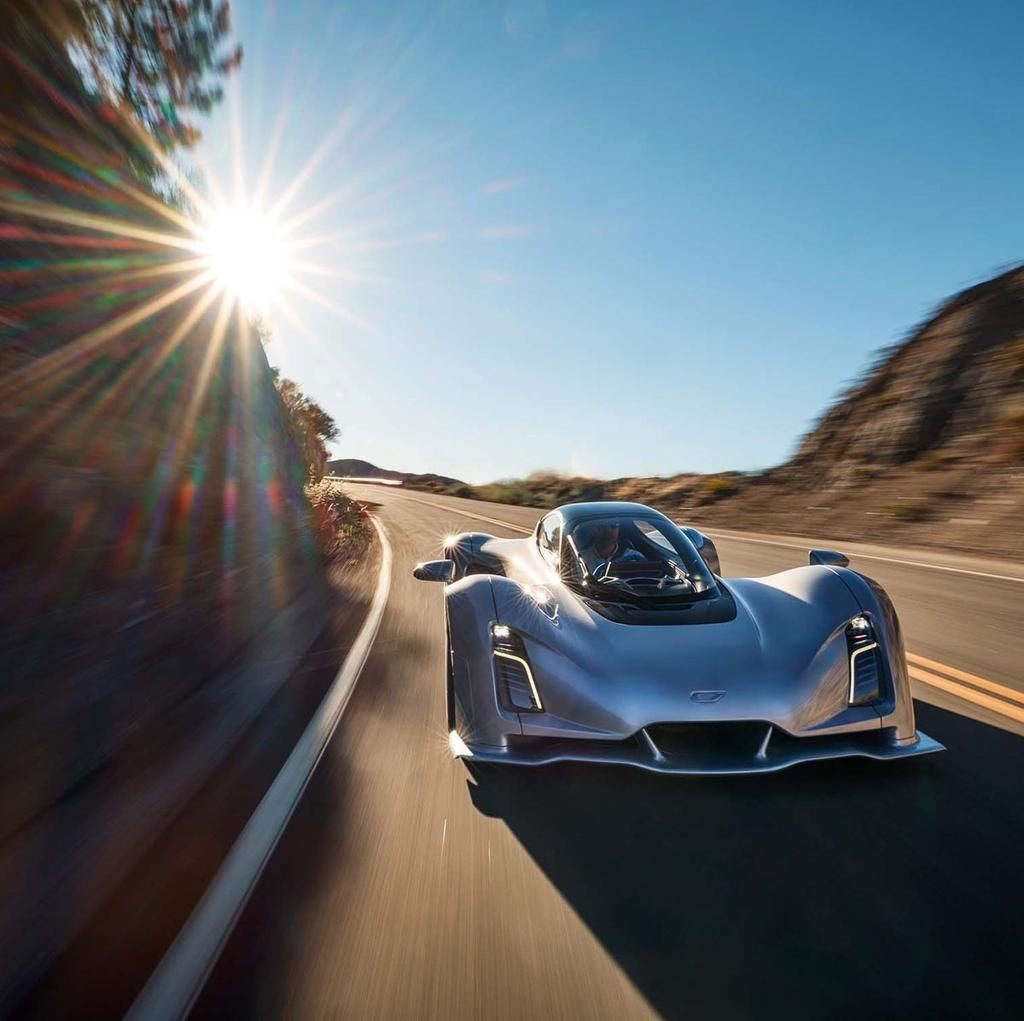
Sierra Pass
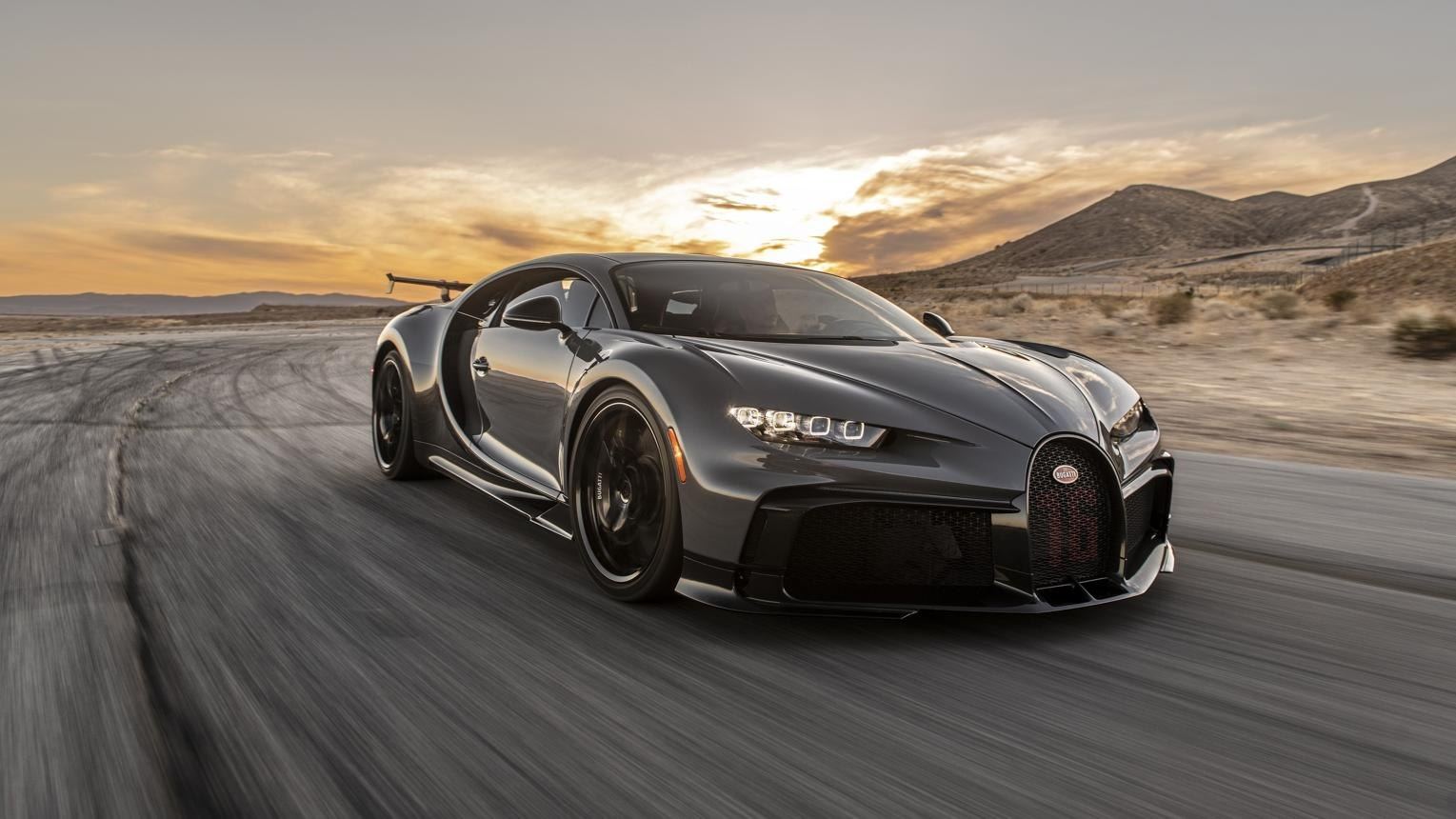
Sunrise on a closed mountain road. Fourteen switchbacks, no guard rails, one driver.
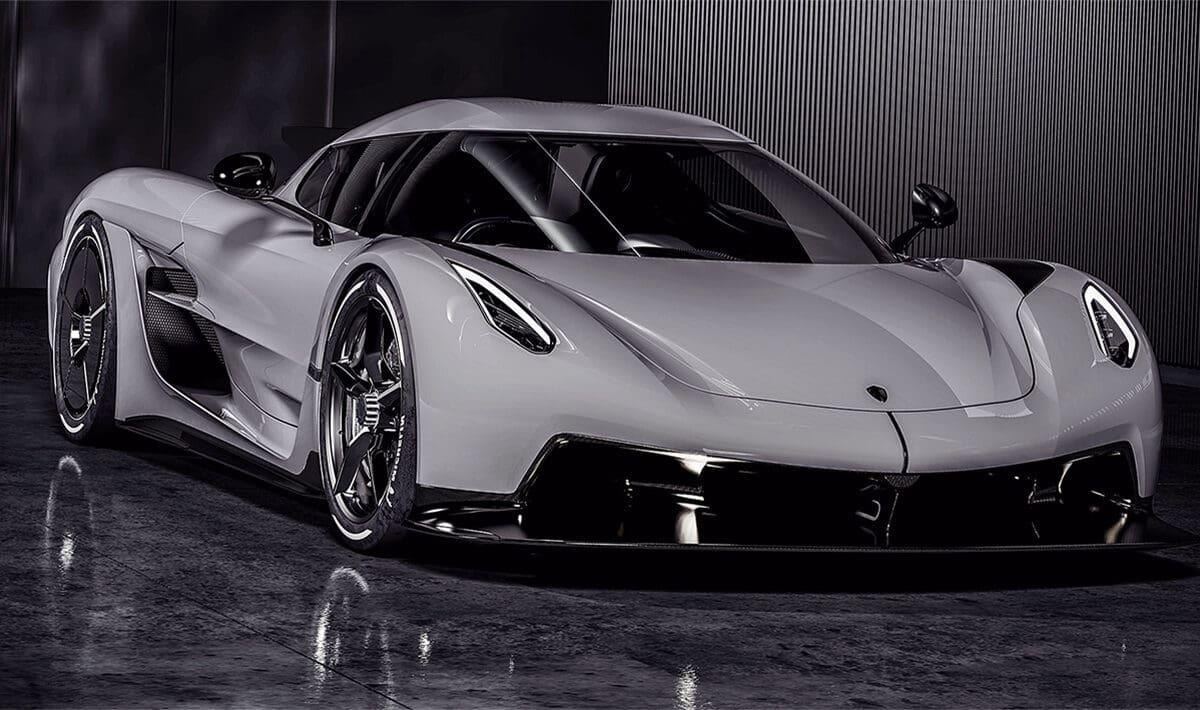
Sixty-three chassis. Each one assigned, never advertised. Meet the car, and the engineer who built it, in private.